
"China coffee quality"
10000 article(s) found

Simao coffee beans with moderate acidity and taste in Yunnan coffee producing area of China
. Simao in Yunnan Province, China, located in the upper reaches of the Lancang River, is famous for its steep terrain and is one of the famous producing areas of Pu'er tea in China. At the same time, it is also the largest area of coffee planting in China. Its planting area is about 150000 mu and the output of coffee can reach 22500 tons. The coffee produced in Simao is of high quality and can be sold at a good price even when it plummets in the international market.

Flavor performance of Chinese-made coffee beans Yunnan coffee Katim tin card small-grain coffee beans
Professional coffee knowledge exchange more coffee bean information Please follow the coffee workshop (Wechat official account cafe_style) for a long time, domestic coffee beans from Yunnan have been sold back to China after being packaged and labelled by global coffee giants at low prices. The high quality and poor price of domestic coffee beans once again reflects that China's agricultural products have products and no products.

Simao coffee beans in Yunnan coffee producing area of China have moderate acidity and taste characteristics.
Flavor and taste characteristics: moderate acidity, uniform taste. Simao in Yunnan Province, China, located in the upper reaches of the Lancang River, is famous for its steep terrain and is one of the famous producing areas of Pu'er tea in China. At the same time, it is also the largest area of coffee planting in China. Its planting area is about 150000 mu and the output of coffee can reach 22500 tons. The coffee produced in Simao is of high quality, even in the country.

The spread History of Coffee in China introduction to the characteristics of Flavor and Taste of Coffee Bean cultivation in Yunnan
According to historical records, Taiwan's planting was successful for the first time in 1884. Since then, coffee trees have been planted in China, and coffee cultivation in mainland China began in Yunnan. In 1902, a French missionary named Tian introduced seeds from Yinggong and planted them in Binchuan County, Yunnan Province. it is located in a place called Zhu Kula, which is located on the bank of the Yushan River, a tributary of the Jinsha River

FHC China Import Food and Hotel equipment Professional Exhibition came to a successful conclusion
Many food and alcohol fairs are held in China every year, but only the FHC imported Food and Hotel equipment Exhibition can be so successful and professional. Only in FHC, you can see that exhibitors and visitors are professional. This was verified at the Shanghai FHC held on November 13-15 last week. The exhibition was well received by both exhibitors and visitors. From 70 countries
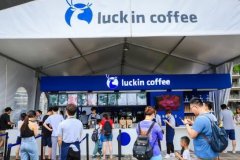
Luckin Coffee became the designated coffee partner of the 2019 China Supercar Championship.
Professional coffee knowledge exchange more coffee bean information please follow the coffee workshop (Wechat official account cafe_style) June 29-30, 2019 China Super Sports car Championship (referred to as China GT) Shanghai station passionate start, designated coffee partner Luckin Coffee flash store simultaneously unveiled, to provide the audience with high-quality coffee drinks and healthy light food services. Chinese supercar brocade

Simao AA Coffee Bean, Yunnan, China
Simao in Yunnan Province, China, is located in the upper reaches of Lancang River. It is famous for its steep terrain and is one of the famous Pu 'er tea producing areas in China. At the same time, it is also the largest coffee growing area in China.

Why is there cheap sales in China's coffee market?
There are several reasons for the sale of cheap coffee beans in the Chinese market for the following reasons: 1. Instead of using international futures standard quality coffee beans, they are obsolete or mixed with poor quality raw beans; at present, no company in China (including Hong Kong and Taiwan) participates in trading in the international coffee futures market; 2. All domestic coffee bean packaging uses non-international standard packaging materials and non-
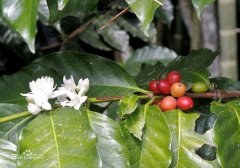
The production zone suitable for growing coffee beans in China can you grow coffee beans in China?
China's coffee producing areas are mainly in Hainan, Yunnan and Guangdong; the northern part of Hainan Island in China, the southern part of Yunnan Province, is located between 15 degrees north latitude and the Tropic of Cancer, which happens to be in this golden zone. The day and night temperature in its coffee is not too strong and bitter in South America, India and Africa, but strong but not bitter, fragrant but not strong, very unique. With a little fruit flavor, it is the top grade of coffee.

How Coffee Brands gain a firm foothold in China
According to statistics, there are about 10 new coffee brands in China every year, but not every brand will be successful. In fact, China's coffee industry has just started, and coffee brands in China are better to take root in China than in western countries with deep coffee soil. There is definitely room for them to survive in the Chinese market, but how can these coffee brands gain a foothold? According to the coffee shop

To what extent has coffee cultivation developed in China?
The unique geographical location of the rise of coffee in China is that the west and south of Yunnan Province are located between the 15th latitude and the Tropic of Cancer, most of the areas are 1000-2000 meters above sea level, and the topography is dominated by mountains and slopes. and ups and downs, fertile soil, sufficient sunshine, rich rainfall, large temperature difference between day and night. International form and government support the increase in international and domestic demand for coffee
The Coffee Capital of China-Pu'er
In order to build the brand of Chinese boutique coffee, continuously improve the popularity and international influence of Pu'er coffee, deepen the cooperative relationship with American boutique coffee association, promote Pu'er coffee to speed up the pace of internationalization and quality, and achieve high quality and high price, the second coffee raw bean competition will be held in Pu'er, the coffee capital of China, from March 8 to 10, 2014.
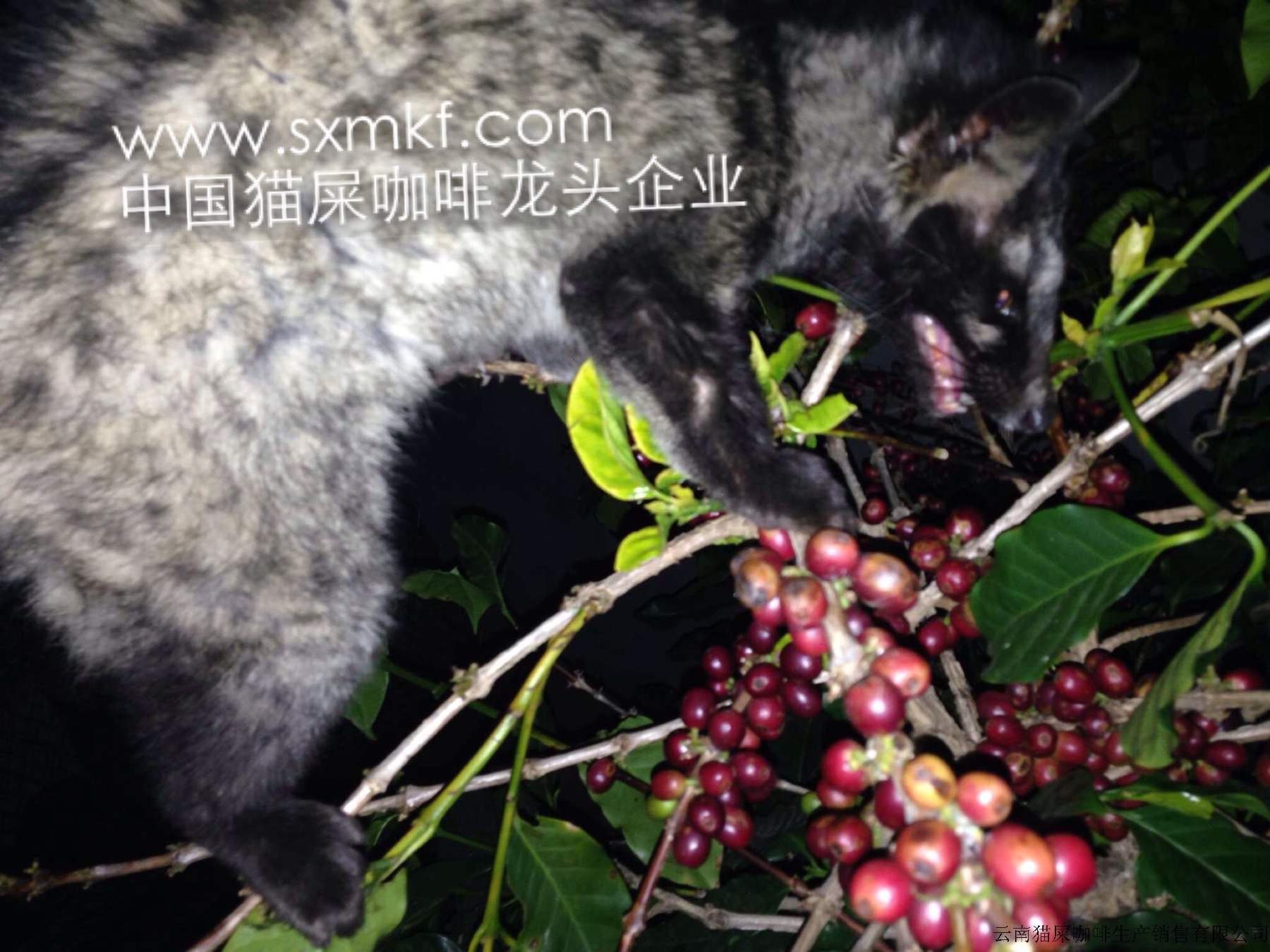
The Road to the rise of China's "Kopi Luwak" Independent Brand
Life is a kind of art, life is a kind of art, food is a kind of art. Everyone yearns for a noble life and enjoy noble food. Coffee, which always gives people a kind of elegant and noble representative, is the object pursued by literati. Coffee is a kind of culture, and tasting coffee is also a kind of art. Kopi Luwak is one of the luxury goods in the world, symbolizing not only nobility, but also coffee culture.
China has become the engine of the world coffee market. Chinese coffee consumption. Do many people drink coffee in China?
Abstract: with the process of China's reform and opening up, the western culture represented by coffee continues to infiltrate in the domestic cities with the rapid growth of the middle class, the improvement of the quality of life and the acceleration of tempo. More and more Chinese people accept and like coffee as an elegant, fashionable and romantic way of leisure and art of life. From Beijing International Coffee Industry Association and China International Trade

What are the brands of domestic coffee and coffee beans? which brand of domestic coffee tastes good?
Professional coffee knowledge exchange more coffee bean information Please pay attention to the coffee workshop (Wechat official account cafe_style) once upon a time, in the hearts of the Chinese people, the word import stands for high-end, high-quality, foreign-style, authentic, technologically advanced, good food and drink, safety and reliability, and other positive words that domestic products can not match. However, now, with the rapid development of China's economy and Chinese national enterprises,

Analysis of China Coffee Franchise Market in 2014
After entering the 21st century, the rapid growth of China's economy, the continuous improvement of people's quality of life, the increasing diversification of drinks, coffee gradually linked with fashion and modern life have led to a rapid increase in coffee consumption, forming a huge consumption potential market.

China's coffee bean export policy-China's coffee bean import policy
China Yunnan Coffee China is expected to occupy a place next to coffee giants Brazil and Colombia. The two countries control more than 50 per cent of the world's coffee production with production of 51.2 million and 12.5 million bags, respectively. Vietnam controls the production of Robusta, another coffee with a less strong scent (29.3 million bags). Wall coffee (Volcaf) is

Hougu Coffee Brand Culture Hougu Company Culture Yunnan Dehong Hougu Coffee
Hougu Coffee is China's first indigenous coffee brand. In addition, there is no other scale brand in China. Relying on the huge domestic consumption market and development potential, Hougu Coffee has good market development conditions. Hougu Coffee is China's first indigenous coffee brand. In addition, China has no other scale brands, relying on the huge domestic consumer market and development.

Brand culture introduction and information of Hougu Coffee Co., Ltd.
Hougu Coffee is the first local coffee brand in China. in addition, there are no other large-scale brands in China. Relying on the huge domestic consumer market and development potential, Hougu Coffee has good market development conditions. Hougu Coffee is the first local coffee brand in China. in addition, there are no other large-scale brands in China, relying on the huge domestic consumer market and development.